
Why Printed Marketing Still Works in a Digital World (And How to Use It for Your Business)
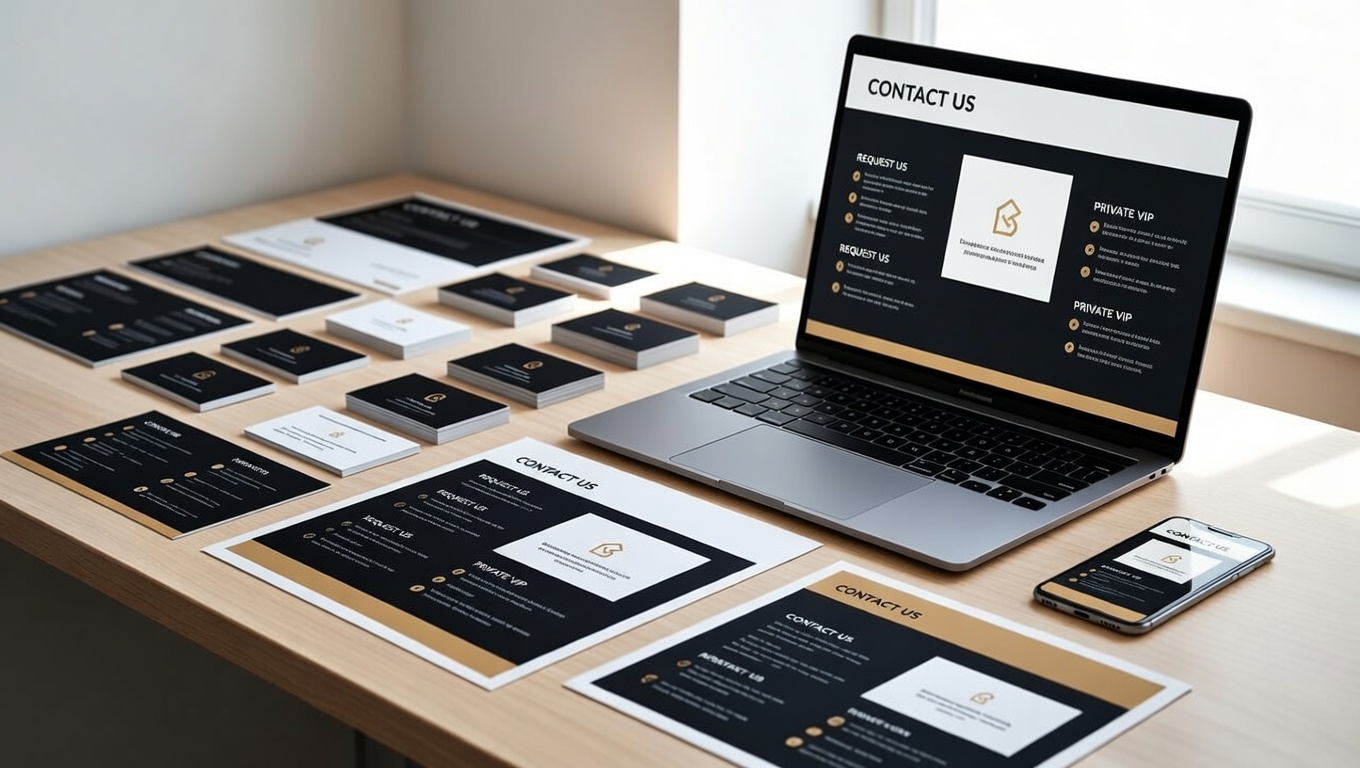
Digital marketing dominates the modern business landscape. Social media ads, email campaigns, and search engine optimization are often the first strategies companies think about when trying to reach customers. However, printed marketing continues to play a powerful role in building brand recognition, trust, and long-lasting customer relationships. In fact, many businesses are rediscovering the value of printed materials as a way to stand out in an increasingly crowded digital space. When used strategically, printed marketing can complement your online efforts and create a more memorable brand experience. In this article, we’ll explore why printed marketing still works and how businesses can use it effectively today. Why Printed Marketing Still Matters Many people assume that print marketing is outdated, but the reality is quite different. Physical marketing materials offer advantages that digital content simply cannot replicate. One of the biggest strengths of printed marketing is tangibility. When someone holds a flyer, brochure, or business card in their hands, the brand feels more real and credible. Physical materials create a stronger sensory experience, which helps people remember your business. Print also helps reduce the overwhelming noise of digital advertising. Consumers see thousands of digital ads every day, and many of them are ignored or blocked. Printed materials, on the other hand, often receive more attention because they are less common and more personal. For local businesses especially, print marketing can create meaningful connections with the community. The Trust Factor of Printed Materials Trust plays a critical role in purchasing decisions. Customers are more likely to buy from businesses that appear professional and established. Printed marketing materials such as business cards, brochures, and branded stationery help communicate professionalism and credibility. A well-designed printed piece shows that a business invests in its brand and cares about presentation. For example: These small details contribute to how customers perceive your business. How Printed Marketing Supports Digital Marketing Printed marketing does not replace digital marketing. Instead, the two work best when used together. For example, a flyer can include: This allows businesses to bridge the gap between offline and online marketing. Many companies successfully combine print and digital strategies. A restaurant might distribute printed menus locally while promoting online ordering through social media. A service-based business might hand out business cards while directing customers to online reviews or booking systems. When both channels work together, they reinforce each other and increase brand visibility. Types of Printed Marketing Materials Businesses Should Use There are many types of printed marketing materials that businesses can use depending on their goals and target audience. Business Cards Business cards remain one of the most effective networking tools. They provide quick contact information and help people remember your brand after meetings or events. Flyers and Posters Flyers are perfect for promoting local services, sales, events, or grand openings. They are cost-effective and can reach a large local audience quickly. Brochures Brochures allow businesses to present detailed information about products or services. They are ideal for offices, trade shows, and customer consultations. Branded Merchandise Promotional products such as mugs, shirts, and tote bags help increase brand visibility. When customers use these items regularly, your brand stays top of mind. Direct Mail Direct mail campaigns can be highly targeted and effective for local marketing. Personalized postcards or promotional offers can attract new customers and drive traffic to your business. How to Use Printed Marketing Effectively To get the best results from printed marketing, businesses should follow a few key strategies. Focus on Strong Design Visual design plays a huge role in how your marketing materials are perceived. Use consistent colors, fonts, and logos to maintain a strong brand identity. Professional printing and high-quality materials also make a significant difference in the final impression. Include a Clear Call to Action Every marketing piece should encourage the reader to take action. This could include: A clear call to action helps turn interest into real customers. Target the Right Audience Printed marketing works best when it reaches the right people. Consider where your ideal customers spend time and distribute materials strategically. For example, a fitness studio might distribute flyers near gyms, health stores, or community centers. The Future of Printed Marketing Rather than disappearing, printed marketing is evolving. Modern printing technology allows businesses to create highly customized materials that reflect their brand personality. At the same time, integrating print with digital tools like QR codes and personalized URLs makes campaigns more measurable and interactive. Businesses that combine creativity, high-quality design, and strategic distribution will continue to see strong results from printed marketing. Final Thoughts In a world dominated by digital communication, printed marketing provides a refreshing and effective way to connect with customers. Physical materials create trust, reinforce brand identity, and leave lasting impressions that digital ads often cannot achieve on their own. By combining printed marketing with digital strategies, businesses can create a well-rounded marketing approach that attracts attention, builds credibility, and drives growth. Whether it’s through business cards, brochures, flyers, or promotional merchandise, printed marketing remains a powerful tool for businesses that want to stand out.